
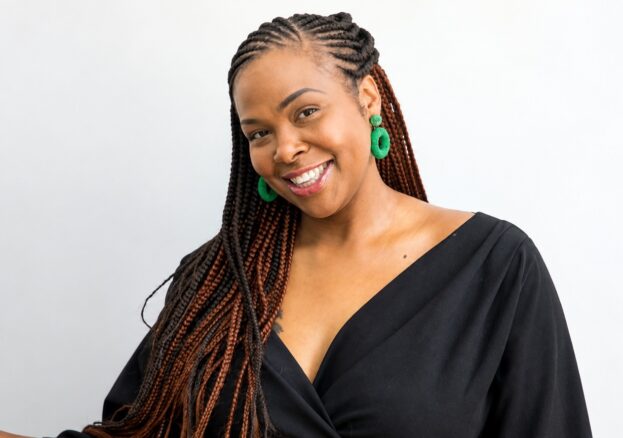
It’s for my Mum, who every Saturday would offer a bowl of the best lamb neck soup to anyone who stopped by. It’s for Aunty Myrna, who would look after me when my Mum went to work or give us some milk when we had none.
It’s for Mr Merchant and Miss Adeline, whose pardna helped my Mum buy our family home. It’s for Aunty Anne, who would take 20 kids to Margate one summer, still the best summer ever. It’s for Aunty Comfort, who would feed us rich egusi soup. As I rolled the soft pounded yam through my fingers and glided it through that beautiful soup, it whispered to my soul that I am African before I am anything else.
It’s for Brother Spanish, who would pick people up in his van from what felt like every borough in London and bring them to his church in South London.
If you asked some people today, they would say we fell into every index that tells you how poor or disenfranchised a community is. However, if you asked me, I would tell you then and I would tell you now:
We were rich.
Culturally, spiritually, and collectively.
These people smiled in the face of adversity. They danced when there was something to celebrate and even when there wasn’t. A floating tenner could always be found when you needed it. They ate food that nurtured the soul, food that, looking back now, was probably a silent love letter to a memory and yearning of home. And when they found the world too much, they would simply kiss their teeth and return to the comfort of the home they found in community.
Life wasn’t perfect, but somehow community made it easier.
Today, we live in a world where communities are becoming more transient. Rising living costs are forcing people to move, people are travelling further in search of better jobs, and digital interactions are increasingly replacing face to face encounters.
We are becoming lonelier, regardless of age. We are exposed to a constant stream of information that tells us the world is a scarier place. Lock the door. Keep the danger out.
But where has that got us?
Community is, and always has been, crucial to our survival as Black people. We need the protection, belonging, nourishment, love, joy, peace, happiness, food, and safety that community provides.
What we must never lose sight of is the fact that community has allowed Black people to thrive despite living within systems that never valued or prioritised us. So, as I celebrate the unsung heroes of the community that raised me this Black History Month, I find myself asking: Am I carrying forward the legacy of community? How am I contributing to strengthening the fabric of community that provides a safety net for so many people? How am I honouring that legacy for future generations?
These are questions we must all ask ourselves, because community has always been our strength, and its power will continue to propel us towards a more connected and prosperous future as Black people.