
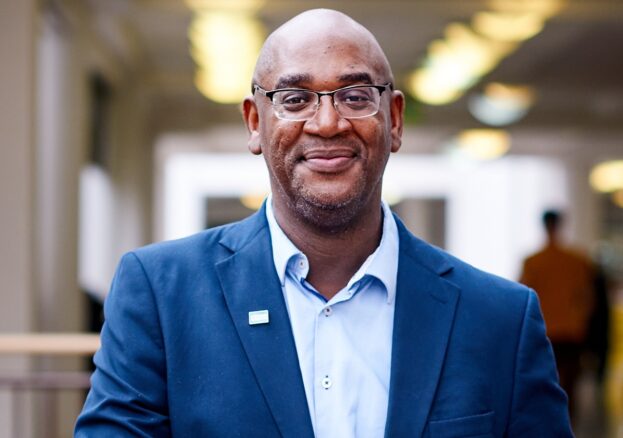
For the people who nominated Dr Andrew Brown, his contribution begins with something straightforward: he shows up. Whether supporting a family, bringing organisations together or helping volunteers respond to a crisis, he remains closely involved in the community he serves.
As Chief Executive of Croydon BME Forum, Andrew leads work spanning education, mental health, wellbeing and community development. Across the nominations, a consistent picture emerges of someone who listens carefully, builds trust and follows through.
Anisah Latchman describes him as someone who “consistently shows up for the community in a real and practical way”. Her tribute highlights his ability to connect residents with services they may otherwise feel unsure about approaching.
Through workshops, focus groups and community events, the Forum creates opportunities for people to discuss mental health without stigma and access clear, culturally relevant information about cancer and other health concerns. These activities are shaped around local needs and lived experience.
Andrew’s approach recognises that access involves more than making a service available. People need to feel understood, know where to turn and have confidence that their concerns will be taken seriously. His work helps improve communication between residents and service providers, strengthening those relationships.
Jennifer Brathwaite highlights the partnerships he has built with faith groups, local businesses, banks, the mayoral office and health organisations. Through partners such as Macmillan Cancer Support, residents and their families can find help during difficult times.
The Forum’s wider activities reflect the different challenges people face. Veronica Bennett-Gayle describes sessions addressing money management, housing, menopause, prostate health, diabetes and mental wellbeing, alongside exercise classes for older people, cookery and technology awareness.
There are also opportunities for young people to develop confidence through mentoring and community activities. Intergenerational cookery classes bring young people and grandparents together to share skills, while book readings, coffee mornings and cultural events create space for conversation and connection.
Leila Howe emphasises the Forum’s role in ensuring that Black communities have a voice in Croydon’s civic life. She also points to support for people affected by the Windrush scandal, activities for elders and a month-long Black History Month programme.
That commitment includes standing alongside people in grief. Nominators describe Andrew and the Forum supporting the community following the murder of schoolgirl Elianne Andam, working with her family and local partners on remembrance.
His ability to respond with both compassion and organisation became particularly clear after Hurricane Melissa devastated communities in Jamaica in 2025.
For many people in Britain, the disaster brought fear for relatives and friends. Karen Keane describes how Andrew gave that concern a practical outlet. Volunteers gathered each week to sort and pack donations, while also sharing stories and worries about loved ones.
The Forum’s Mitcham Road building became a collection and coordination hub. Churches, schools, businesses, community groups and local representatives contributed. Schools organised bake sales, food collections and non-uniform days, helping children understand the humanitarian need and how they could help.
According to Karen’s nomination, the effort brought together 450 volunteers over six weeks, handling donated goods valued at more than £400,000. Support extended beyond Croydon, with connections reaching other London boroughs and communities as far away as Newcastle and Ipswich.
Regular coordination with partners in Jamaica helped keep the response focused on needs there. Jennifer’s account also stresses the care taken with donations: a dedicated bank account, records of income and expenditure, and acknowledgement of contributions.
Andrew travelled with volunteers to support distribution in Jamaica. Karen describes aid reaching eight parishes and 32 towns and communities, working through local organisations, schools, charities and faith groups. Assistance included tools to help residents rebuild homes and support for livelihoods damaged by the hurricane.
For those who nominated him, the significance lies in both the aid delivered and the way people were brought together. The response gave families in Britain a means to act, support one another and remain connected to communities overseas.
Behind this visible work are the continuing demands of funding, planning, building partnerships and solving problems. Anisah’s tribute recognises that Andrew manages those responsibilities while staying connected to frontline community life.
The nominations return repeatedly to his reliability, humility and care. Veronica expresses her gratitude directly: “Dr Brown, I salute, honour and nominate you.”
Together, these accounts show why his leadership matters. People know him through the support they receive, the opportunities they share and the moments when he stands alongside them. Their nominations recognise a commitment sustained through everyday service, as well as extraordinary efforts in times of need.
Dr Andrew Brown received more than 13 nominations for Honouring Black Britain 2026. The tributes describe a leader whose work through Croydon BME Forum brings people together, strengthens access to support and turns community concern into practical action.
Drawing on nominations by Jennifer Brathwaite, Anisah Latchman, Karen Keane, Leila Howe and Veronica Bennett-Gayle.
For the people who nominated Dr Andrew Brown, his contribution begins with something straightforward: he shows up. Whether supporting a family, bringing organisations together or helping volunteers respond to a crisis, he remains closely involved in the community he serves.
As Chief Executive of Croydon BME Forum, Andrew leads work spanning education, mental health, wellbeing and community development. Across the nominations, a consistent picture emerges of someone who listens carefully, builds trust and follows through.
Anisah Latchman describes him as someone who “consistently shows up for the community in a real and practical way”. Her tribute highlights his ability to connect residents with services they may otherwise feel unsure about approaching.
Through workshops, focus groups and community events, the Forum creates opportunities for people to discuss mental health without stigma and access clear, culturally relevant information about cancer and other health concerns. These activities are shaped around local needs and lived experience.
Andrew’s approach recognises that access involves more than making a service available. People need to feel understood, know where to turn and have confidence that their concerns will be taken seriously. His work helps improve communication between residents and service providers, strengthening those relationships.
Jennifer Brathwaite highlights the partnerships he has built with faith groups, local businesses, banks, the mayoral office and health organisations. Through partners such as Macmillan Cancer Support, residents and their families can find help during difficult times.
The Forum’s wider activities reflect the different challenges people face. Veronica Bennett-Gayle describes sessions addressing money management, housing, menopause, prostate health, diabetes and mental wellbeing, alongside exercise classes for older people, cookery and technology awareness.
There are also opportunities for young people to develop confidence through mentoring and community activities. Intergenerational cookery classes bring young people and grandparents together to share skills, while book readings, coffee mornings and cultural events create space for conversation and connection.
Leila Howe emphasises the Forum’s role in ensuring that Black communities have a voice in Croydon’s civic life. She also points to support for people affected by the Windrush scandal, activities for elders and a month-long Black History Month programme.
That commitment includes standing alongside people in grief. Nominators describe Andrew and the Forum supporting the community following the murder of schoolgirl Elianne Andam, working with her family and local partners on remembrance.
His ability to respond with both compassion and organisation became particularly clear after Hurricane Melissa devastated communities in Jamaica in 2025.
For many people in Britain, the disaster brought fear for relatives and friends. Karen Keane describes how Andrew gave that concern a practical outlet. Volunteers gathered each week to sort and pack donations, while also sharing stories and worries about loved ones.
The Forum’s Mitcham Road building became a collection and coordination hub. Churches, schools, businesses, community groups and local representatives contributed. Schools organised bake sales, food collections and non-uniform days, helping children understand the humanitarian need and how they could help.
According to Karen’s nomination, the effort brought together 450 volunteers over six weeks, handling donated goods valued at more than £400,000. Support extended beyond Croydon, with connections reaching other London boroughs and communities as far away as Newcastle and Ipswich.
Regular coordination with partners in Jamaica helped keep the response focused on needs there. Jennifer’s account also stresses the care taken with donations: a dedicated bank account, records of income and expenditure, and acknowledgement of contributions.
Andrew travelled with volunteers to support distribution in Jamaica. Karen describes aid reaching eight parishes and 32 towns and communities, working through local organisations, schools, charities and faith groups. Assistance included tools to help residents rebuild homes and support for livelihoods damaged by the hurricane.
For those who nominated him, the significance lies in both the aid delivered and the way people were brought together. The response gave families in Britain a means to act, support one another and remain connected to communities overseas.
Behind this visible work are the continuing demands of funding, planning, building partnerships and solving problems. Anisah’s tribute recognises that Andrew manages those responsibilities while staying connected to frontline community life.
The nominations return repeatedly to his reliability, humility and care. Veronica expresses her gratitude directly: “Dr Brown, I salute, honour and nominate you.”
Together, these accounts show why his leadership matters. People know him through the support they receive, the opportunities they share and the moments when he stands alongside them. Their nominations recognise a commitment sustained through everyday service, as well as extraordinary efforts in times of need.