
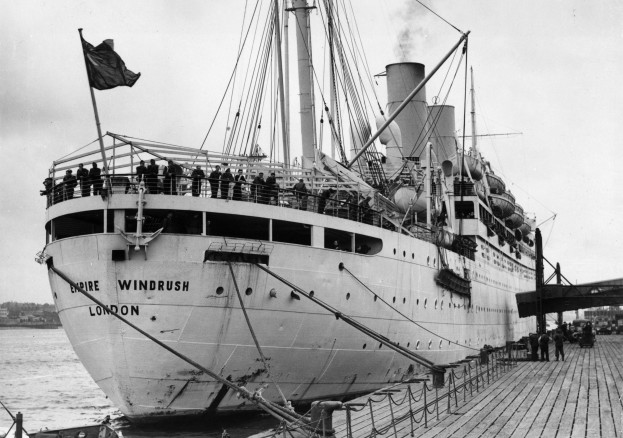
A major campaign has been launched to recover the anchor of HMT Empire Windrush from the Mediterranean seabed and bring it to the UK as the centrepiece of a national memorial honouring the Windrush Generation and their lasting contribution to British life.
The Windrush Anchor Memorial Foundation announced the project around Windrush Day, with the ambition of transforming the historic maritime artefact into a permanent public monument. Campaigners hope the recovered anchor will become a powerful symbol of courage, migration, resilience and belonging.
HMT Empire Windrush arrived at Tilbury Docks on 22 June 1948, carrying passengers from the Caribbean who had answered Britain’s call to help rebuild the country after the Second World War. Their arrival became one of the defining moments in modern Black British history, and the name Windrush has since come to represent generations of Caribbean people who helped shape the NHS, transport, public services, culture, business and community life across the UK.
The ship later sank in 1954 after catching fire in the Mediterranean, off the coast of Algeria. The proposed recovery operation aims to locate and raise the ship’s anchor from the seabed before conserving it and placing it on public display.
Sir Patrick Vernon, Chair of the Windrush Anchor Memorial Foundation, said: “This project is about preserving an important part of British history for future generations. The anchor represents far more than a maritime artefact — it symbolises courage, hope, resilience and the contribution of the Windrush Generation to modern Britain.
“Through this memorial and education programme, we want future generations to better understand the legacy of Windrush and the communities that helped shape contemporary British society.”
The project is intended to be more than a memorial to one voyage. It will also support education, public engagement and storytelling, ensuring that future generations understand the experiences, sacrifices and achievements of the Windrush Generation and their descendants.
Campaigners say the anchor has deep symbolic importance. It is not only a physical part of the ship, but also a reminder of the journeys made by Caribbean families who came to Britain with hope, skill and determination, often facing racism, hardship and exclusion while building new lives and strengthening the country.
The proposed national memorial would create a lasting place of reflection, recognition and pride. It would honour those who travelled on the Windrush, those who followed in the decades after, and the wider Caribbean community whose contribution remains central to Britain’s story.
The campaign comes at a time when many families and community organisations continue to call for greater recognition of Windrush history, not only through annual commemorations, but through permanent monuments, school resources, archives and public education.
For Black British communities, the recovery of the Windrush anchor would represent a powerful act of remembrance: bringing home a piece of history that helped define modern Britain.