
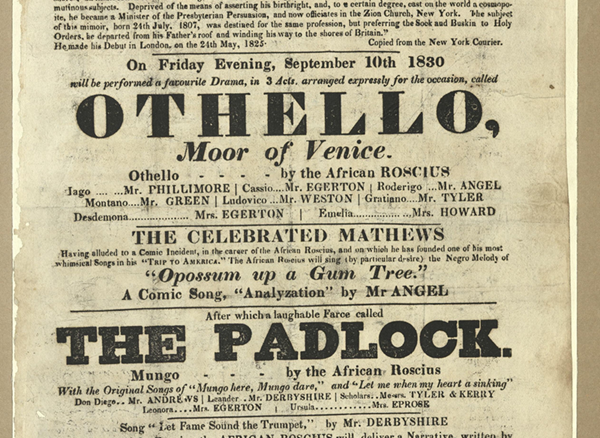
Discover nearly two centuries of Black theatre and performance in Manchester through the artists, performers, producers, venues and communities that have shaped the city’s cultural life.
This free exhibition explores the artistry, entrepreneurship and influence of people of African and African-Caribbean descent within Manchester’s theatre and performance history.
Drawing upon material from libraries, museums and archive collections, the exhibition brings together stories and records documenting the longstanding presence of Black performers and theatre-makers in the city.
Featured collections include material held by Archives+ and the Ahmed Iqbal Ullah RACE Centre at Manchester Central Library.
The exhibition celebrates Manchester’s homegrown talent alongside major national and international artists who have performed in the city.
It also recognises the important contribution of Manchester venues and organisations that have supported, developed and showcased Black creative excellence.
These include Contact, the Green Room, the Nia Centre and the Royal Exchange Theatre, each of which has helped create opportunities for Black artists, performers, writers and audiences.
Through archive material and historical research, visitors can explore how Black theatre in Manchester has developed across generations and responded to changing social, political and cultural conditions.
The exhibition highlights creativity both on and off the stage, recognising the actors, writers, directors, producers, promoters and community organisers who have contributed to Manchester’s Black theatre landscape.
It also considers theatre as a space for artistic expression, cultural memory, community building and important conversations about identity, race and belonging.
By bringing these stories together, A History of Black Theatre in Manchester 1827–2025 celebrates the people and organisations whose creativity has enriched Manchester’s cultural history.
The exhibition is free and open to the public in the South Foyer of the Samuel Alexander Building at The University of Manchester.
For enquiries, email kate.dorney@manchester.ac.uk.
More Manchester Listings MORE
The Roads We Walked: The Fifth Pan-African Congress
Discover the story of one of the most significant moments in the global struggle for freedom and independence…

Jill Scott – To Whom This May Concern World Tour
Three-time GRAMMY Award-winning singer, songwriter, actress and poet Jill Scott returns to Manchester as part of her highly…

Black History Month at Aviva Studios – Portrait of Black Britain
Black History Month at Aviva Studios returns with Portrait of Black Britain, the acclaimed photographic exhibition by artist,…
Poetry Place: In The Beginning
Poetry Place: In The Beginning opens Black History Month in Manchester with a powerful evening of spoken word,…
A History of Black Theatre in Manchester 1827–2025: Celebrating Presence
Discover nearly two centuries of Black theatre and performance in Manchester through the artists, performers, producers, venues and…
Black Futures Awards 2026
Black Futures Awards 2026 celebrates Black excellence, leadership and community achievement across Greater Manchester. Taking place at Manchester…
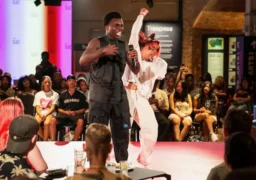
BREATHE: Dance & Poetry Slam 2026
BREATHE: Dance & Poetry Slam 2026 brings spoken word and dance together for an electrifying evening of live…
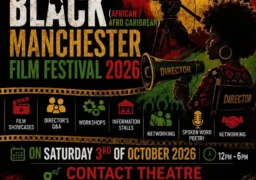
The Independent Black Manchester Film Festival 2026
A celebration of independent African and Caribbean filmmaking, featuring documentaries, short films, director discussions, poetry and food at…