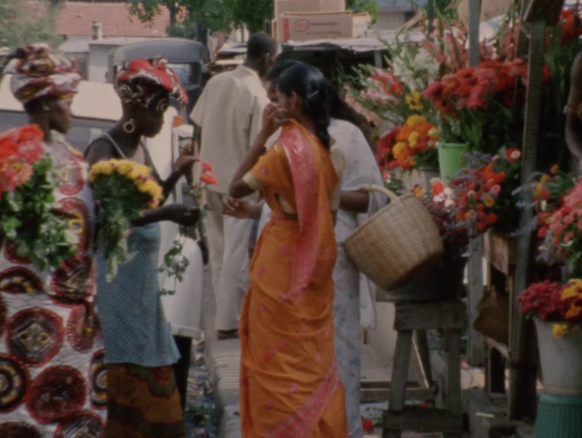
Presented as part of the Barbican’s Project a Black Planet season, Ambiguous Encounters: DAKAR – The First World Festival of Negro Arts 1966 revisits one of the most significant cultural gatherings in modern Black history. Through two rarely screened films, the programme explores the groundbreaking First World Festival of Negro Arts, held in Dakar, Senegal, in 1966, an event that brought together artists, writers, musicians, filmmakers and political leaders from across Africa and the global African diaspora in an unprecedented celebration of Black culture, creativity and international solidarity.
The programme opens with The First World Festival of Negro Arts (1968), directed by acclaimed American filmmaker William Greaves. Using official footage from the festival, Greaves captures the excitement and optimism surrounding the historic event, where figures including Haile Selassie, Aimé Césaire, Alvin Ailey and many others gathered to celebrate the artistic achievements and shared heritage of people of African descent. Interwoven with the poetry of W. E. B. Du Bois, the film reflects on both the joy of reunion and the profound distance created by centuries of slavery, colonialism and displacement, acknowledging the “3,000 miles and 400 years” that separated many members of the African diaspora from the continent.
The second feature, Reou-Takh (1972), directed by Senegalese filmmaker Mahama Johnson Traoré, offers a strikingly different perspective. Recognised as the first Senegalese film to be banned in its own country and the first by an African director to depict the transatlantic slave trade, it follows an African American visitor arriving in Dakar in search of connection with an ancestral homeland. As he journeys through the city, from lively neighbourhoods to the haunting Door of No Return on Île de Gorée, his expectations are challenged by complex questions of identity, belonging and cultural difference. The film explores the uneasy realities of diasporic return, revealing that reconnection with Africa is often shaped as much by history and imagination as by lived experience.
This screening forms part of Ambiguous Encounters: Pan-Africanism in the Post-Colonial City, a weekend programme curated by Abiba Coulibaly to mark sixty years since both the First World Festival of Negro Arts and the Tricontinental Conference. Rather than presenting Pan-Africanism as a single political idea, the series examines how these landmark gatherings created moments of encounter between people whose shared histories had been profoundly shaped by colonialism, migration and the African diaspora. Through rare archival films, documentaries and live presentations, the programme explores both the promise and the complexities of Black international solidarity.
Part of the Barbican’s wider Project a Black Planet film programme, this event offers a rare opportunity to experience two important works of African cinema that continue to speak to contemporary discussions around identity, migration, memory and cultural belonging. More than sixty years after the Dakar festival first imagined a global celebration of Black art and thought, Ambiguous Encounters: DAKAR – The First World Festival of Negro Arts 1966 reminds audiences of the enduring power of culture to build connections across continents and generations.
More City of London Listings MORE

The Black Poetry Shutdown
Some of the most exciting voices in contemporary Black British poetry and spoken word come together for The…
Cave Canem Presents: The Sound of Black British Poetry
Two acclaimed poets come together for a special Black British Book Festival event exploring the sound, direction and…

A House for Miss Pauline: Diana McCaulay & Sara Collins in Conversation
Award-winning Jamaican writer Diana McCaulay joins novelist, screenwriter and broadcaster Sara Collins for a special conversation exploring McCaulay’s…
Always, Already There: An Afrodiasporic New Music Festival
Always, Already There: An Afrodiasporic New Music Festival comes to London for three days of performances, talks and…
City of London: Slave Trade Money Trail Tour
Join Black Rooted for a powerful and eye-opening walking tour uncovering the financial foundations of the transatlantic slave…
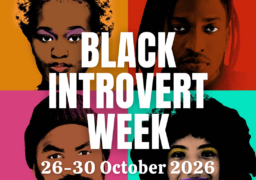
Black Introvert Week UK 2026: Wellbeing at Work
Black Introvert Week UK returns during Black History Month 2026 with Wellbeing at Work, an evening of thoughtful…

Black Tudors & Beyond Quest: City of London
Discover London’s hidden Black history in this unique interactive walking quest through the City of London. Created by…
Black Tudors & Beyond Quest: City of London
Discover London’s hidden Black history in this unique interactive walking quest through the City of London. Created by…