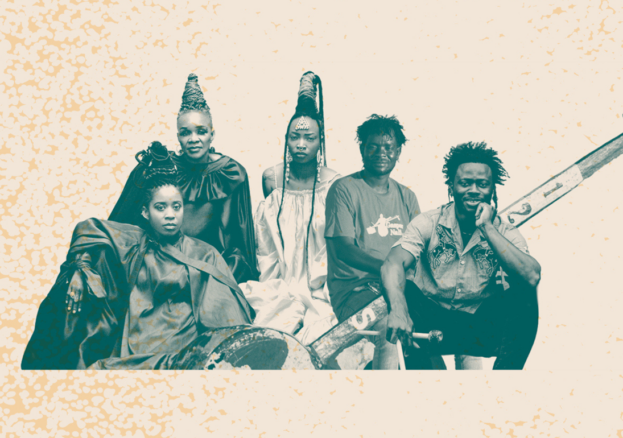
African Soul Rebels brings together musicians from across the African continent for an evening celebrating creativity, musical heritage and contemporary African culture at The Glasshouse in Gateshead.
Leading the programme are Les Amazones d’Afrique, the internationally recognised West African collective formed in Bamako, Mali.
The group was established by prominent Malian musicians and campaigners including Mamani Keïta, Oumou Sangaré and Mariam Doumbia, creating a collective in which women musicians could combine artistic expression with advocacy for women and girls.
Their music brings traditional West African musical influences into conversation with contemporary production, electronic sounds and global popular music.
Joining them is Gasper Nali, a musician from Malawi known for his distinctive form of kwela music and performances built around a large homemade bass instrument.
His songs, sung in Chichewa, frequently draw upon everyday life and social issues in Malawi.
The third artist is N’famady Kouyaté, a musician from Guinea now based in Wales whose work combines traditional Mandingue music with contemporary influences.
Central to his performances is the balafon, a West African wooden percussion instrument with a musical history stretching back generations.
Together, the three acts demonstrate something fundamental about African musical culture: it is neither static nor confined to the past.
Traditional instruments, languages, rhythms and storytelling practices continue to evolve as African musicians move between countries, generations and musical styles.
That continuing exchange has also profoundly influenced British music.
African and African-diasporic traditions have helped shape jazz, blues, reggae, soul, gospel, funk, Afrobeat, hip-hop, electronic music and many of the sounds now heard across contemporary Britain.
The Glasshouse describes African Soul Rebels as celebrating African creativity, resistance and innovation, bringing artists together who reinterpret traditions while keeping rhythm and community at the heart of their work.
It is important to be precise about the Black History Month connection.
The concert is not currently advertised by The Glasshouse as an official Black History Month event.
Its relevance comes instead from the artists, cultures and histories represented on stage.
Taking place during October, African Soul Rebels provides an opportunity to experience African cultural traditions not as historical artefacts but as living, evolving forms of contemporary expression.
For a Black History Month listings programme that aims to celebrate both history and present-day Black creativity, it is a particularly strong addition.
More Gateshead Listings MORE
The Drifters
The Drifters bring decades of rhythm and blues and soul history to Gateshead. One of the most celebrated…
African Soul Rebels – Les Amazones d’Afrique, Gasper Nali & N’famady Kouyaté
African Soul Rebels brings together musicians from across the African continent for an evening celebrating creativity, musical heritage…
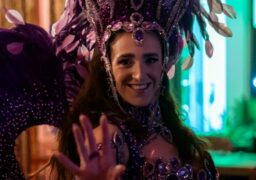
Afro-Brazilian Celebration Day
Afro-Brazilian Celebration Day brings music, dance and communal celebration to The Glasshouse for an evening exploring the cultural…