
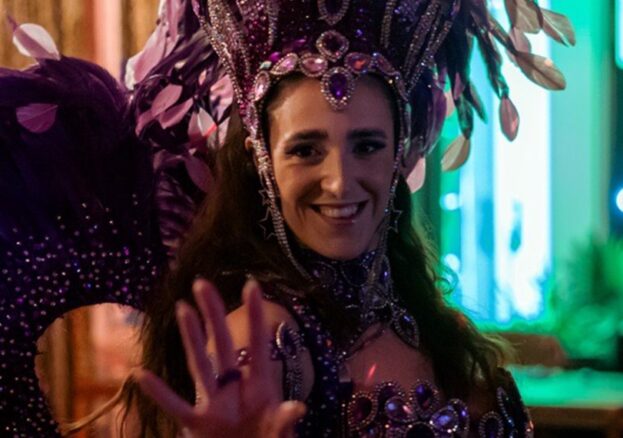
Afro-Brazilian Celebration Day brings music, dance and communal celebration to The Glasshouse for an evening exploring the cultural traditions that helped create samba.
The programme begins with an introduction to the Roda de Samba, followed by a samba dance workshop and an evening Roda featuring live musicians and DJ Andrea Robertson, also known as Sistasoul.
Samba is recognised around the world as one of the great symbols of Brazilian culture.
But its history is inseparable from the African diaspora.
Millions of Africans were forcibly transported to Brazil during the transatlantic slave trade.
Across generations, African religious, musical and dance traditions survived, adapted and combined with other cultural influences.
From those communities emerged many of the rhythms, instruments, dances and performance practices that became central to Brazilian popular culture.
The Roda de Samba — musicians and singers gathered in a circle, with performers and audience closely connected — reflects that communal tradition.
Rather than separating musician and spectator, the circle encourages participation through singing, movement, clapping, percussion and call and response.
The Glasshouse itself describes the Roda as rooted in Afro-Brazilian culture and shaped by rhythm, movement, storytelling and shared cultural identity.
It also notes its history as a space for connection, celebration, resistance and collective expression.
The evening performance brings those traditions into a contemporary North East setting.
Roda de Samba Newcastle performs from within the audience rather than from a conventional stage, while DJ Andrea Robertson brings together influences including soul, reggae, funk, Latin music and Afrobeat.
Robertson was raised in London by a Welsh mother and Caribbean father and has developed a musical approach shaped by sounds from across the African diaspora and beyond.
The Black History Month connection here is substantial.
The Glasshouse does not currently label the celebration specifically as a Black History Month event, but it directly identifies the programme as an exploration of Afro-Brazilian culture.
Understanding samba without understanding African history would leave out one of the most important parts of its story.
The music is a powerful example of how people of African descent preserved and reinvented cultural traditions despite enslavement, displacement and discrimination.
Those traditions eventually became central to the national culture of Brazil and enormously influential internationally.
Taking place during Black History Month, Afro-Brazilian Celebration Day provides an opportunity to explore that history through participation rather than simply observation.
Visitors can hear the rhythms, learn the movement and then experience the communal Roda for themselves.
For Black History Month, it offers a valuable reminder that Black history is not confined by national borders.
It is also the history of the African diaspora — of cultures carried across oceans, transformed in new environments and passed from one generation to the next.
More Gateshead Listings MORE
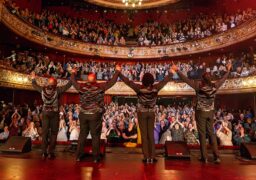
The Drifters
The Drifters bring decades of rhythm and blues and soul history to Gateshead. One of the most celebrated…
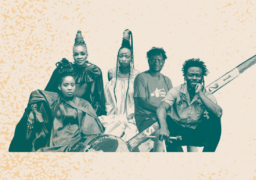
African Soul Rebels – Les Amazones d’Afrique, Gasper Nali & N’famady Kouyaté
African Soul Rebels brings together musicians from across the African continent for an evening celebrating creativity, musical heritage…
Afro-Brazilian Celebration Day
Afro-Brazilian Celebration Day brings music, dance and communal celebration to The Glasshouse for an evening exploring the cultural…