
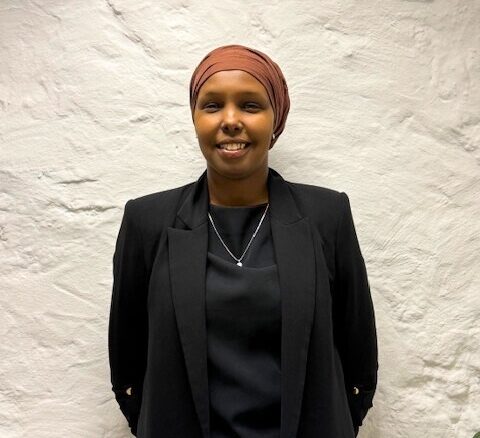
Sado Jirde is a movement builder in the truest sense of the word. At a time when commitments to racial justice can struggle to translate into lasting change, she has dedicated herself to the patient work of building collective power across the South West of England. Her leadership has focused on solidarity, strong community organisations and the conditions necessary for Black communities to thrive over the long term.
As Director of Black South West Network (BSWN), Sado has brought together Black-led organisations, researchers, creatives and campaigners. She recognised that advancing racial justice in the region required coordination, opportunities to develop strategy and investment in leadership. Above all, it required trust between people and organisations working towards shared goals.
That trust is built through sustained relationships. It grows when organisations have opportunities to listen to one another, understand different experiences and identify where their priorities meet. Sado has made this work central to her leadership, helping people see how their individual efforts contribute to a wider movement.
Through forums, partnerships and regional gatherings, she has connected organisations that previously worked in isolation. She has strengthened relationships between grassroots groups and larger institutions, helping Black-led voices become more organised and influential. For leaders carrying significant responsibilities within their own communities, these connections offer both practical support and a sense of solidarity.
The revitalisation of platforms such as the South West Race Equality Action Group reflects this commitment. Bringing organisations together creates opportunities to develop shared analysis, agree priorities and coordinate campaigning. It allows local concerns to inform a regional agenda, supported by people who understand the communities behind them.
Sado’s approach is grounded in an understanding that racism operates through institutions, systems and everyday relationships. Addressing it requires engagement with public bodies alongside investment in the people affected. Her work has therefore included support for community healing spaces, recognising the pressures that individuals and organisations experience while challenging inequality.
She has also championed leadership programmes that equip Black leaders to navigate difficult political and institutional environments while remaining accountable to their communities. Developing leadership means helping people gain the tools and confidence to exercise influence, with a clear understanding of whose interests they are there to serve.
Her support for Black-led enterprises, cultural initiatives and research collaborations recognises the connections between economic power, public narratives and policy. Communities need resources to sustain their organisations, opportunities to represent their own experiences and evidence that can strengthen their arguments for change. Each contributes to their ability to shape the future.
One of Sado’s most significant strengths is her ability to connect different worlds. She brings community organisers into conversation with academics, creatives with policymakers, and funders with grassroots leaders. These relationships help knowledge and experience move between spaces that can otherwise remain separate.
Through initiatives such as the South West Race Equity Research Network, she has supported research that responds to lived experience and serves community priorities. This work helps ensure that evidence can be used by the people whose lives it concerns, strengthening shared understanding and informing collective action.
In a region often overlooked within national conversations about race equality, Sado has insisted that the South West matters. She has helped bring greater attention to Black communities beyond London, demonstrating the knowledge, creativity and ambition that exist across the region.
Angelique Retief’s nomination describes the impact of this work in the stronger connections between Black civic organisations. Leaders who once operated alone are now part of networks offering support and shared purpose. Public institutions are increasingly being asked to build sustained relationships with communities and involve them meaningfully in shaping decisions.
The longer view remains central to Sado’s leadership. Community organisations face financial pressures, while commitments to equality can change with political priorities. She has concentrated on building relationships and structures capable of enduring beyond individual funding cycles, giving communities firmer foundations from which to organise.
That work creates room for planning as well as responding to immediate needs. It enables organisations to consider what they want to build together and how they can use their collective experience to get there. Progress depends on people having the support and resources to remain involved.
Sado Jirde’s contribution lies in this sustained commitment to collective strength. She has nurtured relationships, supported leadership and helped create possibilities for organisations across the South West. Her work carries the conviction that Black communities should have the power to shape their own futures, supported by a movement rooted in accountability, collaboration and hope.