
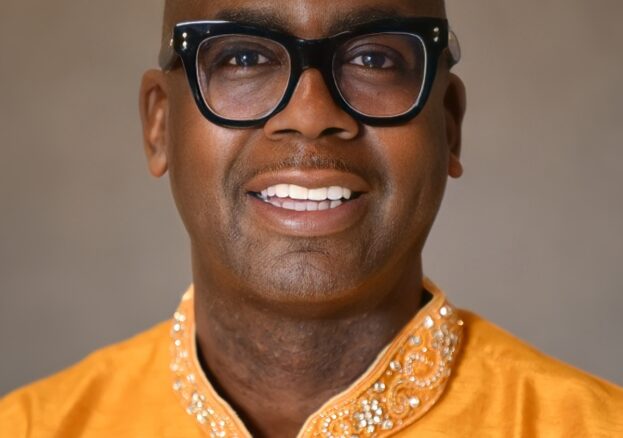
For years, Patrick campaigned for a permanent national day recognising the contribution of the Windrush Generation and their descendants. He understood that the story of those who came from the Caribbean after the Second World War was not a side note to British history. It was British history. These were people who worked in our hospitals, transport systems, factories and public services; people who raised families, established businesses and helped shape modern Britain. Patrick wanted that contribution to be acknowledged properly, not occasionally and not only during Black History Month.
The establishment of Windrush Day was therefore more than a symbolic victory. Today, children take part in Windrush projects at school, families see the experiences of parents and grandparents reflected in exhibitions, and communities gather to celebrate what that generation brought to Britain. Behind all of that were years of campaigning and people prepared to keep making the case for national recognition.
But Patrick’s work around Windrush did not end with celebration. When the Windrush scandal came to light, the conversation changed dramatically. People who had lived in Britain for decades found themselves having to prove their right to remain. Some lost jobs and access to services. Some were detained. Others faced removal from the country where they had built their lives and raised their families.
Patrick responded in the way he has throughout his career: he campaigned. His parliamentary petition demanding action attracted more than 180,000 signatures. He called for those affected to receive justice and compensation and established the Windrush Justice Fund to help people access legal advice and practical support.
He has also continued speaking out long after the first wave of public outrage passed. As Patrick has said: “A lot of Windrush victims want to be acknowledged, want justice and want their day in court, and that’s just not happening.”
Those words take us beyond statistics and government schemes. They remind us that behind the Windrush scandal are individuals and families who have lived with its consequences for years. Patrick has continued to raise concerns about compensation, mental health, accountability and the number of people who have died without receiving the justice they were seeking.
That persistence is important. Campaigning is one thing when an issue dominates the headlines. The harder work comes when public attention has moved elsewhere but people are still waiting for answers. Patrick has stayed with the issue, continuing to ask whether promises have been fulfilled and whether those who suffered have been treated fairly.
It also explains why he has described the relationship between Windrush celebration and the continuing scandal so clearly: “Recognition without justice remains incomplete for Windrush Day.”
There is something powerful in that statement. We should celebrate the Windrush Generation, but celebration cannot replace justice. Windrush cannot simply be music, food, flags and photographs from the 1950s. The story must also include the discrimination people faced, the barriers they overcame and the injustice experienced by members of the very generation Britain now celebrates.
This combination of recognition and action runs through Patrick’s wider work. His 100 Great Black Britons campaign challenged the absence of Black figures from familiar accounts of British achievement. It encouraged people to discover men and women whose contributions had too often received little attention and opened up a wider conversation about who we recognise as having shaped Britain.
For many young people, it provided an introduction to Black British figures they had never encountered in the classroom. It also reinforced something Patrick has argued throughout his career: Black history in Britain did not begin with the Empire Windrush in 1948. The Black presence and contribution in this country stretches back centuries.
His work has also extended across public health, mental health and racial inequality. The subjects may appear different, but the principle is remarkably consistent. Patrick has repeatedly asked institutions to listen to communities, recognise inequality and understand the real impact that decisions can have on people’s lives.
In 2026, his own contribution received significant national recognition when he was knighted for services to racial equality and social justice. It is fitting that someone who has spent so much of his life fighting for others to be acknowledged should himself receive such an honour.
Yet a title is not the real measure of Patrick Vernon’s contribution. The measure can be seen every 22nd June, when communities across Britain mark Windrush Day. It can be seen in the continuing fight for people still seeking justice. It can be seen in the Black British figures brought to wider attention through 100 Great Black Britons. And it can be seen in the national conversations about equality, belonging and justice that he has helped keep alive.
That is why recognising Patrick as part of Honouring Black Britain 2026 feels so appropriate. He has spent decades standing alongside communities, challenging institutions and making sure that important stories and injustices are not allowed to disappear from public view. His contribution has been about more than recognition; it has been about ensuring that recognition leads to action, fairness and change