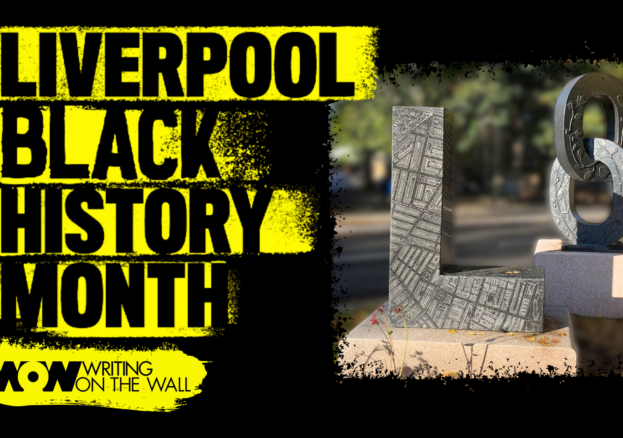
Explore the history of Liverpool 8 and discover the Black activists, community organisations and local campaigns that helped transform the area.
The L8 Activism Walking Tour begins with a walk along the area’s tree-lined Victorian boulevard while tracing the changing story of Liverpool 8, the traditional home of Liverpool’s Black community since the mid-20th century.
The tour explores the neighbourhood’s development from its beginnings as a merchant-class district in the mid-to-late 19th century, when Liverpool’s wealth and prominence were closely connected to the transatlantic trafficking of enslaved Africans.
It follows the area through periods of economic decline and into its more recent resurgence as one of Liverpool’s most sought-after places to live.
Along the route, participants will discover the vibrant nightlife and cultural life of the 1950s and 1960s, followed by the growth of Black and anti-racist activism throughout the 1970s and early 1980s.
The tour will examine the discrimination faced by Liverpool’s Black community, which Lord Gifford’s inquiry into the causes of the 1981 uprisings described as “uniquely horrific”.
At the site of the former Rialto ballroom, which was set alight during the uprisings, the tour will consider where the lines of confrontation were drawn and why particular buildings became targets.
The walk continues to the former site of the Liverpool 8 Law Centre. Established following the 1981 uprisings, the organisation played an important role in supporting and empowering residents of L8 and Liverpool’s wider Black communities.
The tour finishes at the empty plinth where the statue of William Huskisson once stood. Join Writing on the Wall to discover what happened to the statue and uncover more of the area’s history.
Anyone who would like to attend but cannot afford a full-price ticket is encouraged to contact Writing on the Wall. All enquiries will be treated confidentially.
Event enquiries and ticket support:
info@writingonthewall.org.uk
More Liverpool Listings MORE
DEATH OF A SALESMAN
Arthur Miller’s Death of a Salesman is reimagined for Liverpool by acclaimed British-Ghanaian theatre-maker Tristan Fynn-Aiduenu in a…
BHM26: Professor Stephen Small – Black Liverpool
Professor Stephen Small returns to his home city to launch Liverpool’s Black History Month programme with a special…

Manchester Collective X Sidiki Dembélé: Constellations
Manchester Collective joins forces with Ivorian percussionist Sidiki Dembélé for Constellations, a vivid musical journey bringing West African…
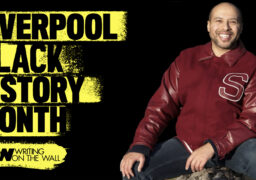
BHM26: Dean Atta – Big Man
Join award-winning author, poet and filmmaker Dean Atta for a special event celebrating the publication of his adult…
Blackfest 2026 Presents: Visual Arts Workshop With Ayobami
Liverpool’s BlackFest 2026 invites audiences to explore colour, abstraction and expressive mark-making in a hands-on visual arts workshop…
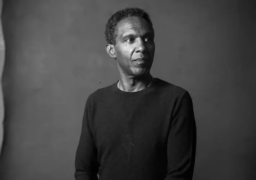
Black History Month Lecture with Lemn Sissay
Black History Month Lecture with Lemn Sissay brings one of Britain’s most distinctive poets, authors and broadcasters to…
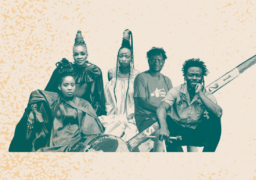
African Soul Rebels: Les Amazones D’Afrique, Gasper Nali and N’Famady Kouyaté
African Soul Rebels brings three distinctive African musical voices to Liverpool Philharmonic Hall for an evening of rhythm,…

Ibibio Sound Machine + Ziyad Al-samman
British-Nigerian frontwoman Eno Williams brings the electrifying Ibibio Sound Machine to Birkenhead for an October performance at Future…