
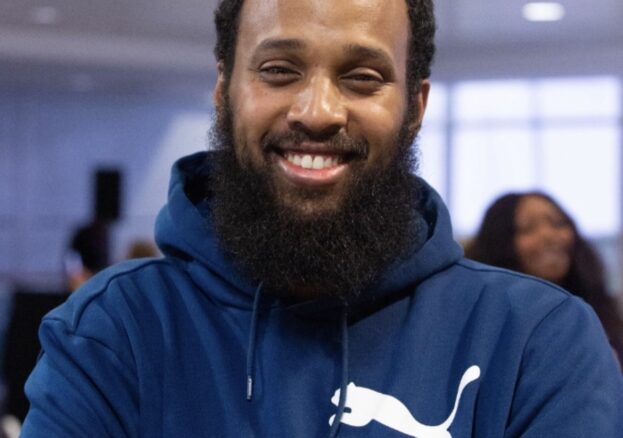
Dr Mahamed Hashi has been an inspiration to me and many other frontline practitioners. He has dedicated his time to developing and delivering support that gives young people and the most vulnerable members of our community the best possible opportunity to thrive.
He understands how violence, poverty and public health challenges affect people’s lives. That understanding comes through his community work and his own experiences of adversity. Throughout it all, he has remained focused on what he can do to help others.
In January 2013, Mahamed and a friend co-founded Brixton Soup Kitchen after recognising the need for a welcoming space for people experiencing homelessness and others in desperate need.
The organisation provides food, drink and companionship in a warm and friendly environment. Since its establishment, it has served more than one million meals, through food eaten on site, deliveries and outreach sessions.
Those meals represent a sustained commitment to people who may be facing some of the hardest moments in their lives. The companionship offered alongside them is also central to the Soup Kitchen’s purpose, giving people somewhere they can find support and a welcome.
Mahamed’s contribution extends across several areas of community life. He was a founding member of Lambeth’s Black Mental Health Commission, whose work helped lay the foundations for Black Thrive. He has also contributed to the Mayor of London’s Child Obesity Task Force and the London Muslim Community Forum.
Through the forum, he helped advise the police following the Westminster and London Bridge terror attacks in 2017. His involvement reflects the trust he has built and his willingness to help communities and public bodies communicate during difficult times.
His work as a local lead for safer communities has included tackling youth violence and violence against women and girls. These responsibilities build on years of practical experience supporting people affected by violence and working to prevent further harm.
He has also helped bring community concerns into discussions with public institutions following incidents that placed trust under considerable strain. These included the shooting of Chris Kaba and the death of Ian Taylor following contact with police.
Mahamed organised meetings involving community leaders, police representatives and the Independent Office for Police Conduct. These gave people a platform to raise concerns, ask questions and have their voices heard.
For those of us working on the front line, his commitment carries particular weight because we know the personal challenges he has faced.
In 1999, Mahamed was stabbed during an attempted robbery. In 2008, he was shot while breaking up a fight. The shooting caused severe nerve damage to his left shoulder, leaving his arm paralysed for more than a year, as well as a collapsed lung.
Within months, while still recovering, he returned to community work. His reason was simple and speaks directly to the person he is: “young people in our area need to see hope that you can bounce back positively from these kinds of things”.
That determination has continued to shape his contribution. He recognises that young people need support, opportunities and examples of people who have faced hardship and found a way forward.
Across his work, Mahamed brings together practical help and a willingness to address difficult questions. Whether supporting someone who needs a meal, helping a young person see possibilities for their future or ensuring residents can speak directly to those in authority, he remains committed to the people around him.
Dr Mahamed Hashi deserves recognition for that sustained service. He has given others reason to hope through his actions, his resilience and his determination to keep working for a stronger, safer community.