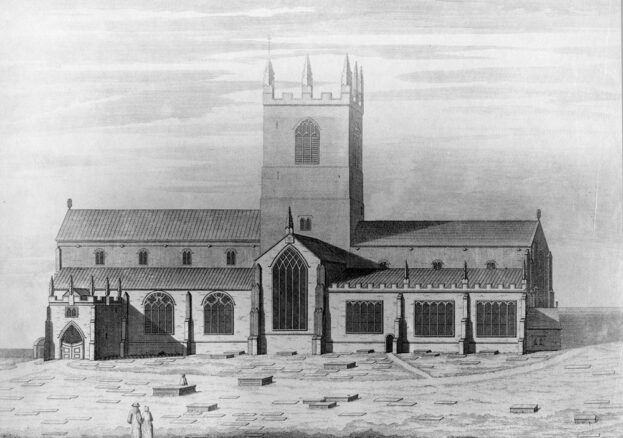
An extraordinary moment recorded more than three centuries ago provides the starting point for this fascinating Black History Month talk exploring the story of John Lewis, the first recorded Black person in Leeds.
On 1 February 1708, Leeds antiquarian and diarist Ralph Thoresby recorded that he went to church with John Lewis, a servant whose presence provides an important glimpse into the largely hidden history of Black people living in eighteenth-century Yorkshire.
Local historian Danny Friar uses this remarkable encounter to investigate who John Lewis was, how he came to be living in Leeds and what his story can tell us about the city’s connections with the wider world.
The talk also considers Ralph Thoresby’s own relationship with the Caribbean, placing a seemingly ordinary journey to church within a much larger history of migration, empire and Britain’s involvement in Atlantic trade.
Records of individual Black lives in Britain during this period can be difficult to find. When names do appear in diaries, parish records, newspapers and other archives, historians must often piece together fragments of information to reconstruct lives that were rarely documented in their own words.
John Lewis therefore represents an important part of Leeds’ history, challenging the assumption that Black settlement in northern English cities began only in the twentieth century.
By placing his story within the wider history of early eighteenth-century Leeds, the event encourages audiences to think differently about who has always been part of the city.
Presented by Leeds Libraries as part of the Leeds400 programme, the talk also demonstrates how local archives can reveal stories that have previously received little attention.
Taking place during Black History Month, Ralph and John Went to Church offers a rare opportunity to explore an early Black presence in Leeds and discover how one brief diary entry can open a window onto more than three hundred years of local and global history.
More Leeds Listings MORE
Women of Soul Play Left Bank
Women of Soul returns to Left Bank Leeds for an evening celebrating the women who have kept Northern…
Roots to Rhythm – 40 Years of Black Music Festival
Roots to Rhythm – 40 Years of Black Music Festival celebrates four decades of Black music, culture and…
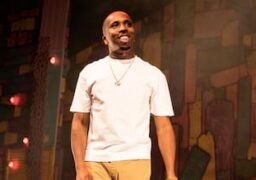
Kiell Smith-Bynoe: Kool Story Bro
Comedian and actor Kiell Smith-Bynoe brings his hit improv show Kool Story Bro to Leeds, following sold-out runs…
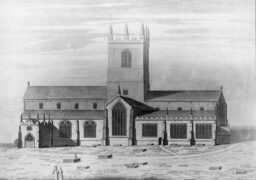
Ralph and John Went to Church: Ralph Thoresby & John Lewis, the First Recorded Black Person in Leeds
An extraordinary moment recorded more than three centuries ago provides the starting point for this fascinating Black History…
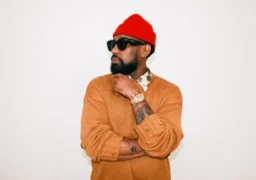
PJ Morton
Six-time Grammy Award-winning singer, songwriter, musician and producer PJ Morton comes to Leeds for an intimate live performance…
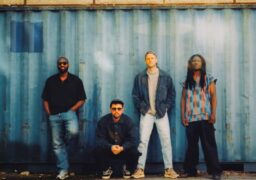
Jembaa Groove – Afrosoul Meets Highlife Direct from Berlin
Berlin-based Jembaa Groove comes to Leeds with an infectious combination of highlife, Afrosoul, jazz and contemporary Afro-fusion at…
Community Black Achievers Wings Awards 2026
The Community Black Achievers Wings Awards returns to Leeds for an evening recognising excellence, resilience, leadership and positive…
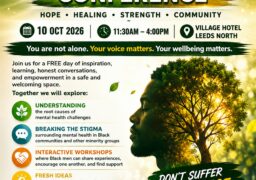
Mental Health Conference – Community Black Achievers Wings Awards
A free community conference in Leeds will bring together individuals, families, professionals and community organisations for an…